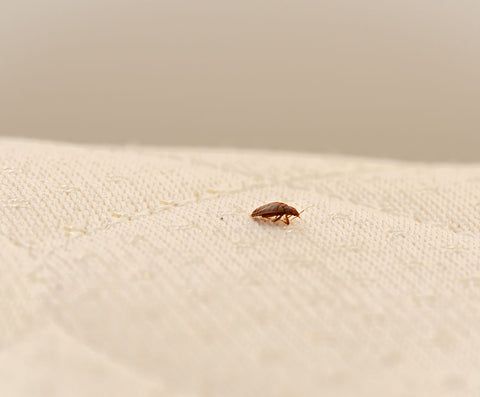
Bed Bugs vs. Fleas: Key Differences


Bed Bugs vs. Fleas: How to Tell the Difference

Bed bugs and fleas are small, blood-feeding insects found in homes. They can cause itchy bites, but they differ in appearance, behavior, and habitat.

Bed bugs stay near sleeping areas, while fleas are linked to pets. Fleas jump; bed bugs crawl. Bites alone are not reliable for identification—look for the insect and signs in the environment.


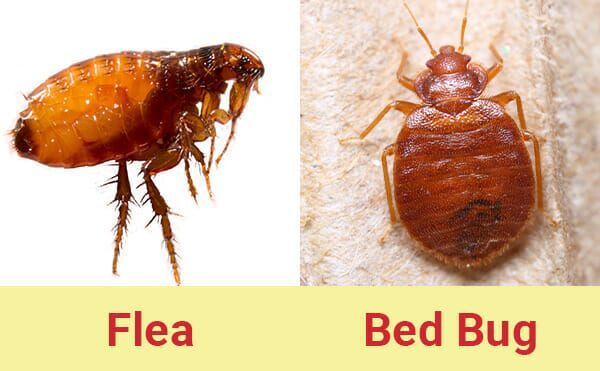
[Bed bugs are broad and oval; fleas are narrow and side-flattened]


Quick Comparison

Flea & Bedbug


Appearance

Bed bugs: Oval, flat, brown; swell after feeding. Nymphs are smaller and lighter.

Fleas: Narrow, dark, with large hind legs for jumping. Larvae are worm-like and found in the environment.

Movement

– Fleas jump quickly.
– Bed bugs crawl only.

Where to Look

Bed bugs: Mattress seams, bed frames, furniture cracks.

Fleas: Pet fur, bedding, carpets, floors.

Pets increase flea risk, but both pests can coexist.

Evidence

Bed bugs: Live bugs, eggs, shed skins, dark spots.

Fleas: Jumping adults, flea dirt, eggs, larvae near pets.

Bites

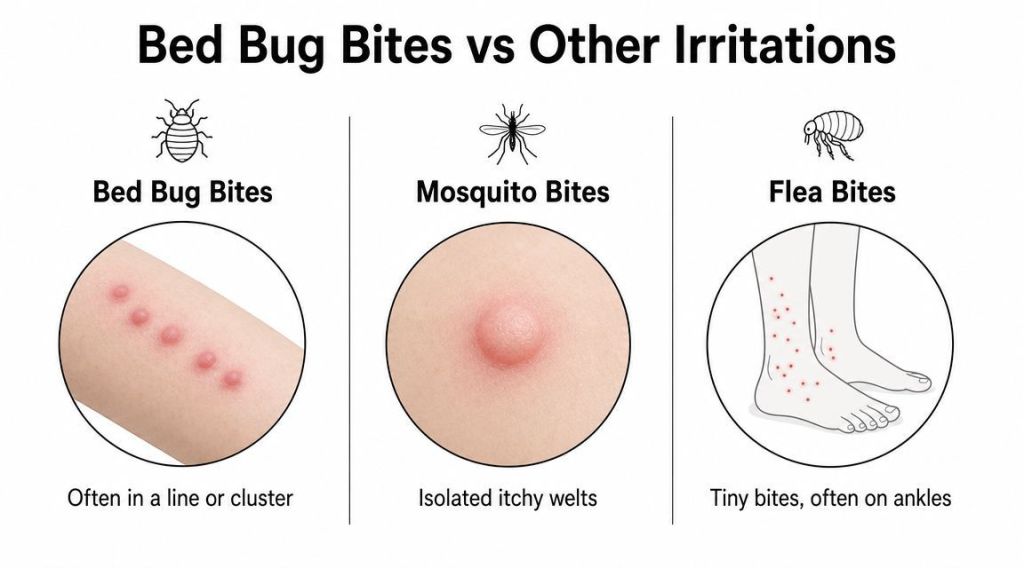
Bites from both can look similar—itchy red marks. Location may help (fleas often on ankles), but it’s not definitive.

Key Differences

– Bed bugs: broad, crawl, found near beds.
– Fleas: narrow, jump, found on pets and carpets.

What to Do

If fleas: Treat pets, clean bedding, vacuum thoroughly.

If bed bugs: Inspect bed areas, avoid spreading items, consider professional help.

Final Takeaway

Identify the insect, not just the bites. Check where it was found and how it moves. Correct identification leads to the right solution.
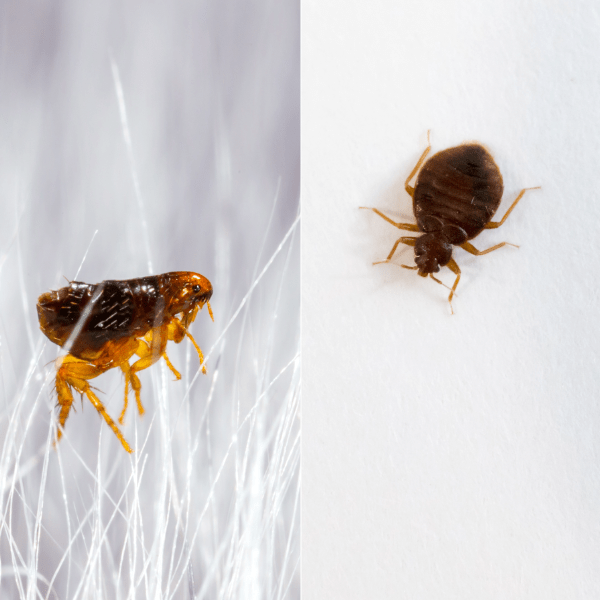
Jumping Flea vs Crawling Bedbug


Notice

This is general information and not a substitute for professional advice. Follow product labels and consult experts when needed.


URL Slug: “bed-bugs-vs-fleas”

Meta Description: Learn the main differences between bed bugs and fleas, including size, shape, movement, and where they hide.

Category: Identification

Tags: Bed Bug Identification, Bed Bugs vs Fleas, Flea Identification, Bed Bug Signs, Household Pests


Last reviewed: July 2026
What Do Bed Bugs Look Like?


Meta Description: Learn how to spot bed bugs at every stage, from eggs to adults.

What Do Bed Bugs Look Like?

What do bedbugs look like


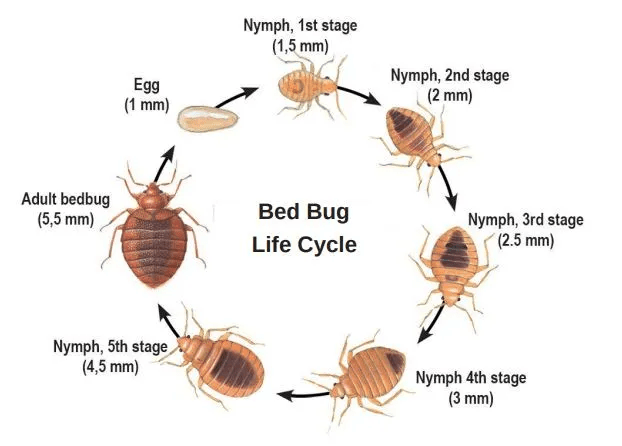
Bed bugs are tiny, flat bugs that change in size and color as they grow. Adult bed bugs are brown and about the size of an apple seed, while younger ones are smaller and lighter. Their eggs are super tiny and white.

It’s important to know what you’re looking at, since other bugs can look pretty similar.


[Bed bug life stages]

Bed bugs change in size and color as they develop.


Quick Answer

– Adults: Brown, flat, oval, 5–7 mm
– Fed adults: Reddish, swollen
– Nymphs: Smaller, lighter
– New nymphs: Almost see-through
– Eggs: Tiny, white

Adult Bed Bugs

Adult bed bugs are flat, brown, and don’t have wings. They have six legs and two antennae, and they’re about 5–7 mm long. Because they’re so flat, they can squeeze into tiny cracks and hide easily.

After Feeding

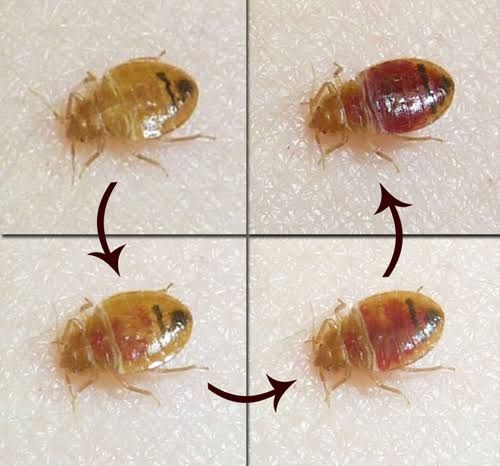
After they feed, bed bugs get bigger, more stretched out, and turn a reddish color.


[FED AND UNFED COMPARISON]

Fed bugs appear swollen and darker.


Nymphs

Nymphs are basically baby bed bugs. They look like smaller versions of adults but are lighter in color and harder to spot. They go through five stages, getting bigger each time they feed.

Eggs

Bed bug eggs are about 1 mm long, white, and usually tucked away in hidden spots like seams or cracks.

Shed Skins

As they grow, bed bugs shed their skins. These look like pale, empty shells and are often found near where they hide.

Can You See Them?

Yes, you can see them, but eggs and young nymphs can be tricky to spot. A flashlight or magnifying glass can help.

Look-Alikes

Some bugs that people often confuse with bed bugs include carpet beetles, fleas, cockroach nymphs, spider beetles, and bat bugs.

Where to Check

Check around places where people sleep:

– Mattress seams
– Bed frames
– Headboards
– Furniture joints

Are Bites Enough?

Nope. You can’t confirm bed bugs just from bites alone.

What to Do

If you think you’ve found one:

1. Take a photo
2. Try to capture it
3. Check nearby areas
4. Get it identified by an expert

Common Mistakes

– Judging by color alone
– Assuming they’re all adult size
– Relying only on bites

Final Takeaway

Bed bugs look different depending on their stage:

– Eggs: tiny and white
– Nymphs: small and light
– Adults: brown and flat
– Fed adults: swollen and reddish

To be sure, look at both their appearance and other signs—not just bites.

Notice

This article is for general information only.

URL Slug: “what-do-bed-bugs-look-like”


Last reviewed: July 2026

Sources

– U.S. EPA
– University of Minnesota Extension

Early Signs of Bed Bugs

Blood spots on mattress


URL Slug: “early-signs-bed-bugs”

Meta Description: Learn key early signs of bed bugs, including live bugs, dark spots, shed skins, eggs, and stains.

Early Signs of Bed Bugs

Bed bugs are easier to control when found early, but small infestations can be hard to detect.

Bites alone are not reliable. Look for physical evidence near sleeping areas.

Key signs include:

– Live bugs
– Dark fecal spots
– Rusty stains
– Shed skins
– Eggs
– Evidence in seams and joints


Quick Answer

Early signs include live insects, dark spots, shed skins, eggs, and reddish stains.

Check:

– Mattress seams
– Box springs
– Bed frames
– Headboards
– Nearby furniture

One sign alone is not enough—look for multiple clues.

1. Live Bed Bugs

Adult bed bugs are small, flat, brown insects about the size of an apple seed. Nymphs are smaller and lighter.

Capture or photograph any suspected insect for identification.

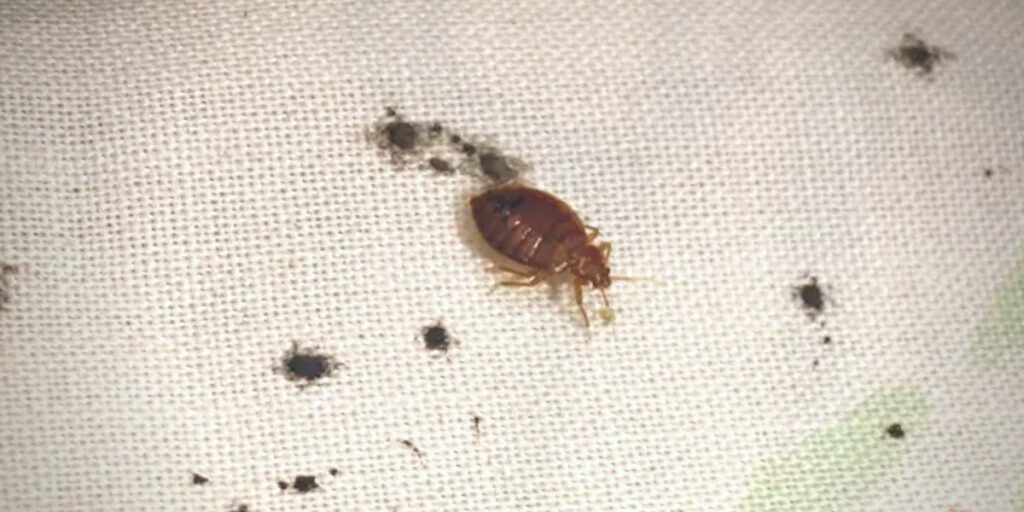
2. Dark Spots

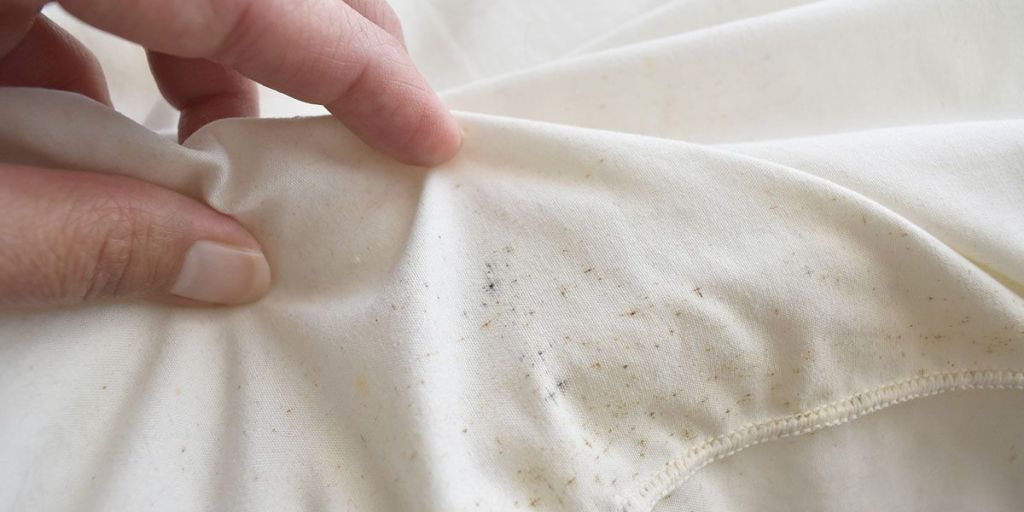
Small black or brown dots (fecal marks) often appear in clusters near hiding spots like seams and joints.

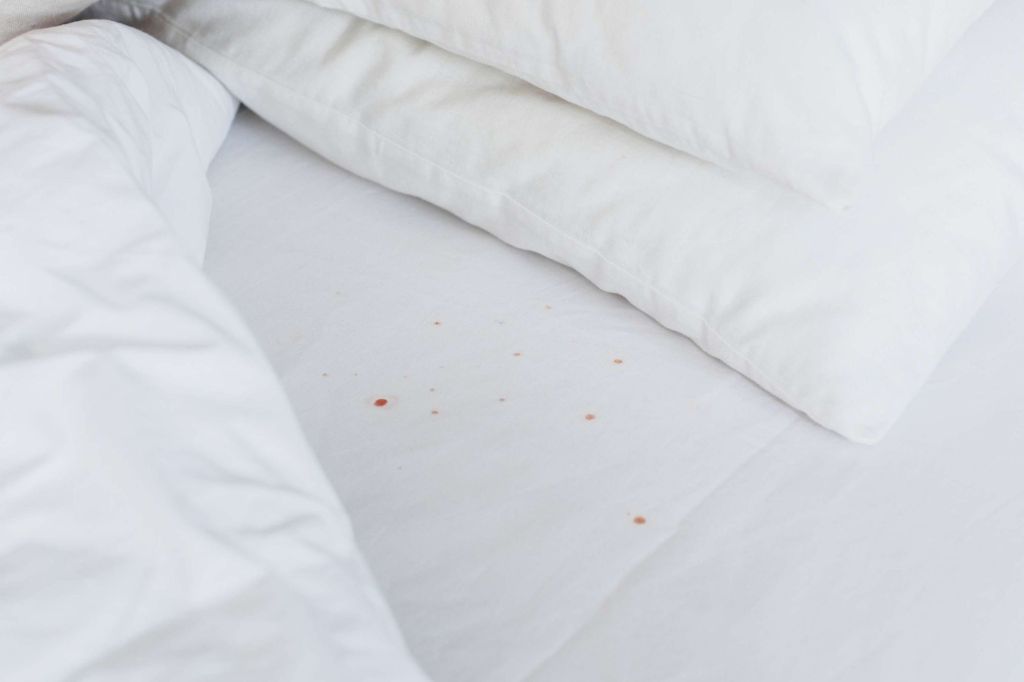
3. Rusty Stains

Reddish stains may appear when bugs are crushed after feeding. Check nearby areas for other signs.

Bed bug Stains


4. Shed Skins

Pale, empty skins are left behind as bed bugs grow. Found in seams, cracks, and hidden areas.


5. Eggs

Tiny white eggs are often attached to protected surfaces like seams, joints, and cracks.

6. Mattress Seams

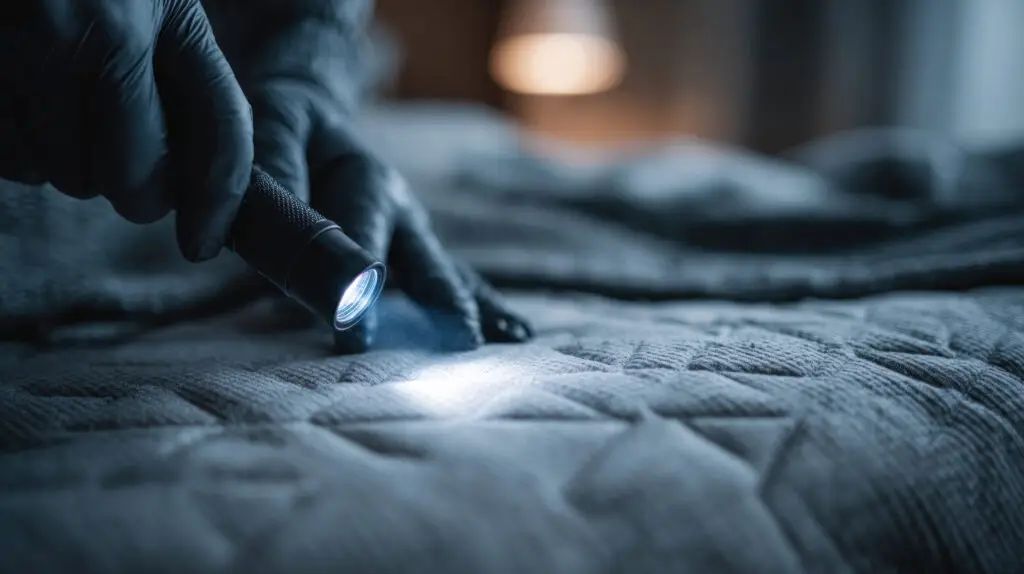
Inspect seams, labels, folds, and edges using a flashlight.

7. Box Spring

Check fabric, corners, and joints for hidden signs.

8. Bed Frame & Headboard

Look in screw holes, joints, and behind the headboard.


9. Bites

Bites vary and are not reliable proof. Only consider them alongside physical evidence.

Bedbug bites


10. Multiple Signs

Several signs in one area strongly suggest bed bugs.


Where to Check First

1. Bedding
2. Mattress seams
3. Box spring
4. Bed frame
5. Headboard
6. Nearby furniture

Avoid moving items to prevent spreading bugs.

What Doesn’t Confirm Bed Bugs

– A single bite
– One stain or spot
– An unidentified insect

Look for multiple signs.

What to Do

– Take photos
– Capture specimens
– Record locations
– Avoid spraying chemicals
– Seek professional help if needed


Final Takeaway

Early detection relies on physical evidence—not bites.

Look for:

– Live bugs
– Dark spots
– Stains
– Shed skins
– Eggs

Inspect sleeping areas carefully and confirm identification before treatment.


Notice

This article is for general information only and does not replace professional advice.

Last reviewed: July 2026

How to Check a Mattress and Bed Frame for Bed Bugs

How to Check a Mattress and Bed Frame for Bed Bugs


Meta Description: Learn how to inspect a mattress, box spring, bed frame, and headboard for signs of bed bugs.

How to Check a Mattress and Bed Frame for Bed Bugs

Bed bugs hide in seams, joints, and cracks near where people sleep. Bites alone don’t confirm them—look for physical signs like:

– Live bugs
– Eggs
– Shed skins
– Dark spots
– Rusty stains

Start with the bed and inspect carefully.


Quick Inspection Summary

1. Gather a flashlight, gloves, tape, and bags.
2. Remove bedding slowly.
3. Check mattress seams and edges.
4. Inspect underside and box spring.
5. Examine frame joints and headboard.
6. Photograph any evidence.


What Do Bed Bugs Look Like?

– Small, flat, brown insects (apple-seed size)
– Nymphs are smaller and lighter
– Eggs are tiny and white

What do the Bed bug look like?


Key Signs

– Live bugs: hide in seams and cracks
– Dark spots: fecal marks
– Rust stains: crushed bugs
– Shed skins: pale shells
– Eggs: tiny and hard to see


Tools

Flashlight, gloves, magnifier, tape, bags, camera.


Before You Begin

– Don’t shake bedding
– Don’t move items between rooms
– Don’t spray during inspection


Inspection Steps

1. Bedding

Check seams, folds, and edges. Bag items after removal.

2. Mattress

Focus on seams, labels, edges, and folds.

3. Underside

Inspect corners and areas touching the frame.

4. Box Spring

Check corners, fabric folds, and wooden supports.

5. Bed Frame

Inspect joints, screws, cracks, and tubing.

6. Headboard

Check front, back, and wall behind it.

7. Nearby Area

Look at nightstands, baseboards, and nearby furniture.

Bed bugs on mattress


Document Evidence

– Take clear photos
– Capture insects with tape
– Note location and date


What Doesn’t Confirm Bed Bugs

– Bites alone
– One stain
– Unidentified insect


Common Mistakes

– Only checking mattress surface
– Ignoring frame or box spring
– Cleaning before documenting


When to Call a Professional

– You find a suspected bug
– Signs appear in multiple areas
– Inspection is incomplete


Final Takeaway

Inspect seams, joints, and hidden areas—not just surfaces. Look for multiple signs and confirm before treating.

Last reviewed: July 2026

URL Slug: “check-mattress-bed-frame-bed-bugs”